NEW YORK — Apple on Tuesday unveiled HomeView, a $299 smart display that recognises up to six members of a household by their faces and runs Siri AI, the rebuilt version of its voice assistant, moving Apple's generative AI system beyond personal devices and onto kitchen counters and walls.
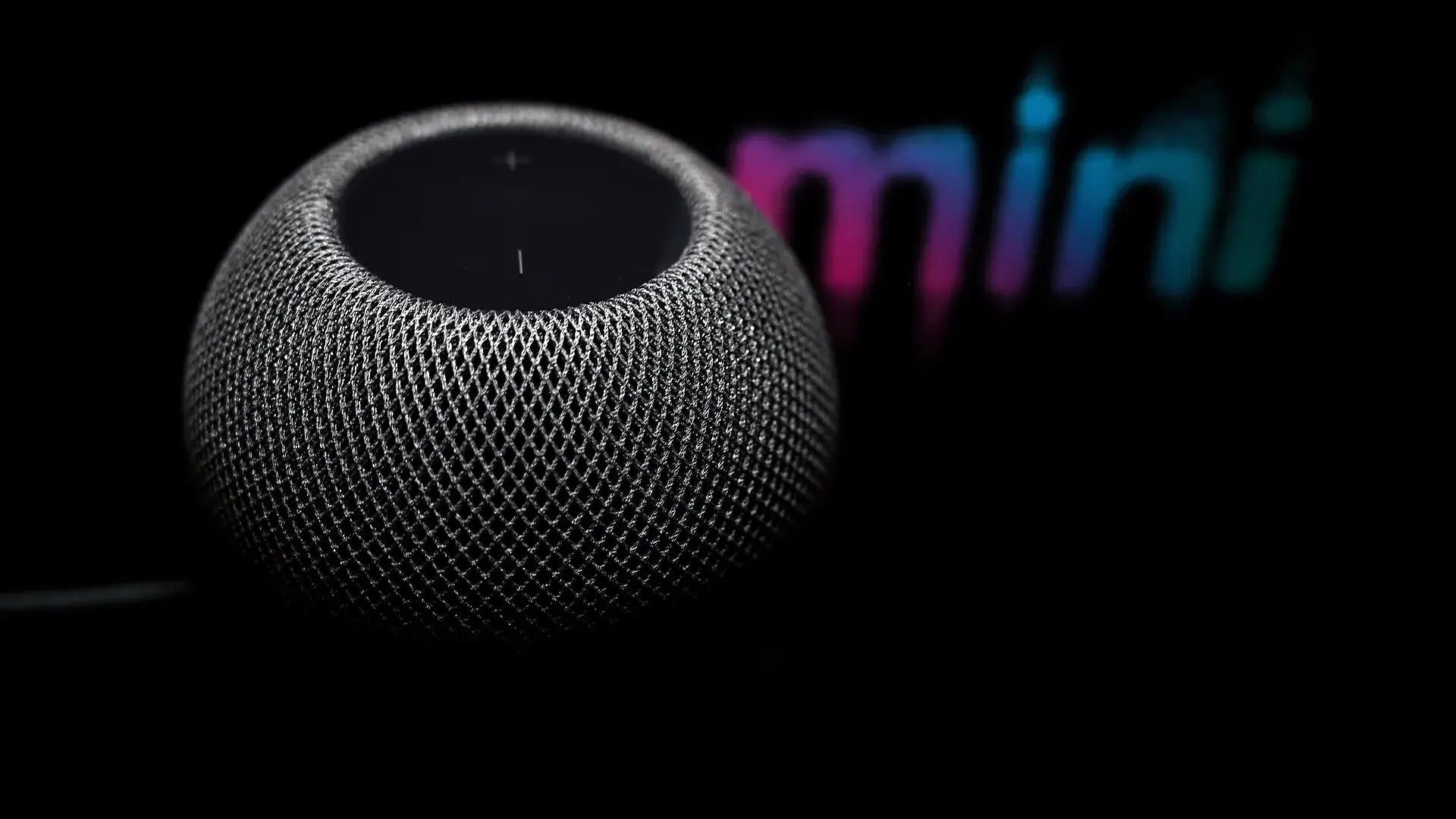
At its New York launch event, Apple also introduced a $299 Apple TV 4K with Siri AI and built-in microphones, a $149 HomePod mini 2 speaker, and a range of cameras, thermostats and a smart lock designed with LG Electronics and Schneider Electric. Pre-orders for HomeView opened on Tuesday, and the device ships on November 13.
The launch takes Siri AI, which Apple released in beta on iPhones and Macs in September, into shared rooms where it must serve a whole family rather than a single owner. It also puts Apple in a more direct fight with Amazon's Echo Show and Google's Nest Hub, the established smart displays, TechCrunch reported.
Siri AI runs on what Apple calls the next generation of its Apple Foundation Models, "custom-built in collaboration with Google and its Gemini models," according to the company. Apple says the assistant can hold back-and-forth conversations, answer questions on almost any topic using current information from the web, and act on what is shown on a user's screen.
On HomeView, the assistant can also reach into a user's phone. When paired with an iPhone or iPad that supports Apple Intelligence, it can draw on Messages, Calendar and other apps, Apple said. Engadget, which tried the device after the announcement, said it understood a request to "play that song Jeff texted me about" during a quick demonstration.
"Apple HomeView is designed to be shared by everyone in the home yet feel completely personal to each user," said Greg Joswiak, Apple's senior vice president of worldwide marketing. He said the device "recognizes your face to shift from a household screen to your own experience."
Apple said personal content such as messages and calendar entries appears only when an enrolled user's face is recognised and their paired iPhone or iPad is nearby and has been unlocked recently. When no recognised person is in front of it, the screen falls back to a guest mode, Engadget reported.
Camera and microphone data are processed in what Apple calls Secure Exclaves on the device's A18 chip, compartments the company says cannot be accessed by HomeView's software, its apps, the user or Apple. Siri requests are handled on the device or on Apple's Private Cloud Compute servers, where the company says data is neither stored nor made accessible to Apple.
Beyond the assistant, HomeView works as a control panel for the house. Users can view camera feeds, adjust thermostats and lights and lock doors by voice or touch, and one screen can stream up to nine camera feeds at once. The display listens for smoke and carbon monoxide alarms and alerts users' phones, and it can turn recipes from the web into step-by-step instructions with hands-free timers.
HomeView will be sold in Australia, Canada, India, New Zealand, Singapore, South Africa, the UK and the US, where Siri AI is available in English. It will not be sold in the European Union "as Siri AI is currently unavailable in iOS in the EU," Apple said, adding that it was working with the bloc "in an attempt to find a path forward." Siri AI is also unavailable in China while Apple works through regulatory requirements.
Apple said in September that support for French, Japanese, Korean, Portuguese and Spanish would follow the next month.
The assistant is still labelled a beta. Apple's fine print says some Apple Intelligence features that use server-side models are subject to daily usage limits and that "expanded access to such features will be available for a fee in the future," suggesting heavier use may eventually cost extra.
Early impressions were cautious. Billy Steele of Engadget wrote that it was hard to tell after a few brief demonstrations whether the device would become the home control centre Apple designed it to be, and that he did not expect its audio tuning to "blow us away."
TechCrunch pointed to Apple's mixed record in the smart home, where the HomePod has struggled to match the popularity of competing devices, and said reports had linked HomeView's long gestation partly to problems with Siri AI. Bloomberg had reported that Apple wanted to release a new Apple TV in 2024 but that delays to the AI-powered Siri pushed back its home devices, according to TechCrunch.
The new hardware also costs more. The Apple TV 4K is $100 more than its predecessor, Engadget said, and the HomePod mini 2 is $50 more than the original model launched in 2020, according to TechCrunch. Apple says Siri AI is also available in beta on the two previous Apple TV 4K models, released in 2021 and 2022, Engadget reported.
The HomePod mini 2, which runs on Apple's S10 chip, will not have Siri AI at launch. Apple said the assistant would arrive with "a future software update" and did not give a date.
The HomePod mini 2 goes on sale on October 30. HomeView and the Apple TV 4K follow on November 13, and Apple Home Collection accessories, which include a $250 video doorbell and a $350 smart deadbolt, begin arriving in December, with others following early next year.
Sources
- Meet Apple HomeView, a new way to enjoy entertainment, stay connected, and manage the home (Apple Newsroom) (apple.com)
- Apple makes another push into the smart home market with HomeView (TechCrunch) (techcrunch.com)
- Apple HomeView hands-on: Siri AI is your new roommate (Engadget) (engadget.com)
- Everything announced at Apple's Welcome Home event (Engadget) (engadget.com)
- Apple launches a new Apple TV 4K with Siri AI and remote-free voice commands (TechCrunch) (techcrunch.com)
- Apple refreshes its HomePod mini with a new chip and $149 price tag (TechCrunch) (techcrunch.com)
- Siri AI, a profoundly more capable and personal assistant, is here (Apple Newsroom) (apple.com)
This report was compiled from the publicly available reporting listed above. Direct quotations are reproduced as published by those outlets. Corrections: see our corrections policy.