KAMPALA — Uganda will confine its own citizens for 21 days when they return from the Democratic Republic of Congo, Health Minister Chris Baryomunsi said on Sunday, tightening border controls that Kampala first imposed in May as the Bundibugyo Ebola outbreak spread across the frontier.
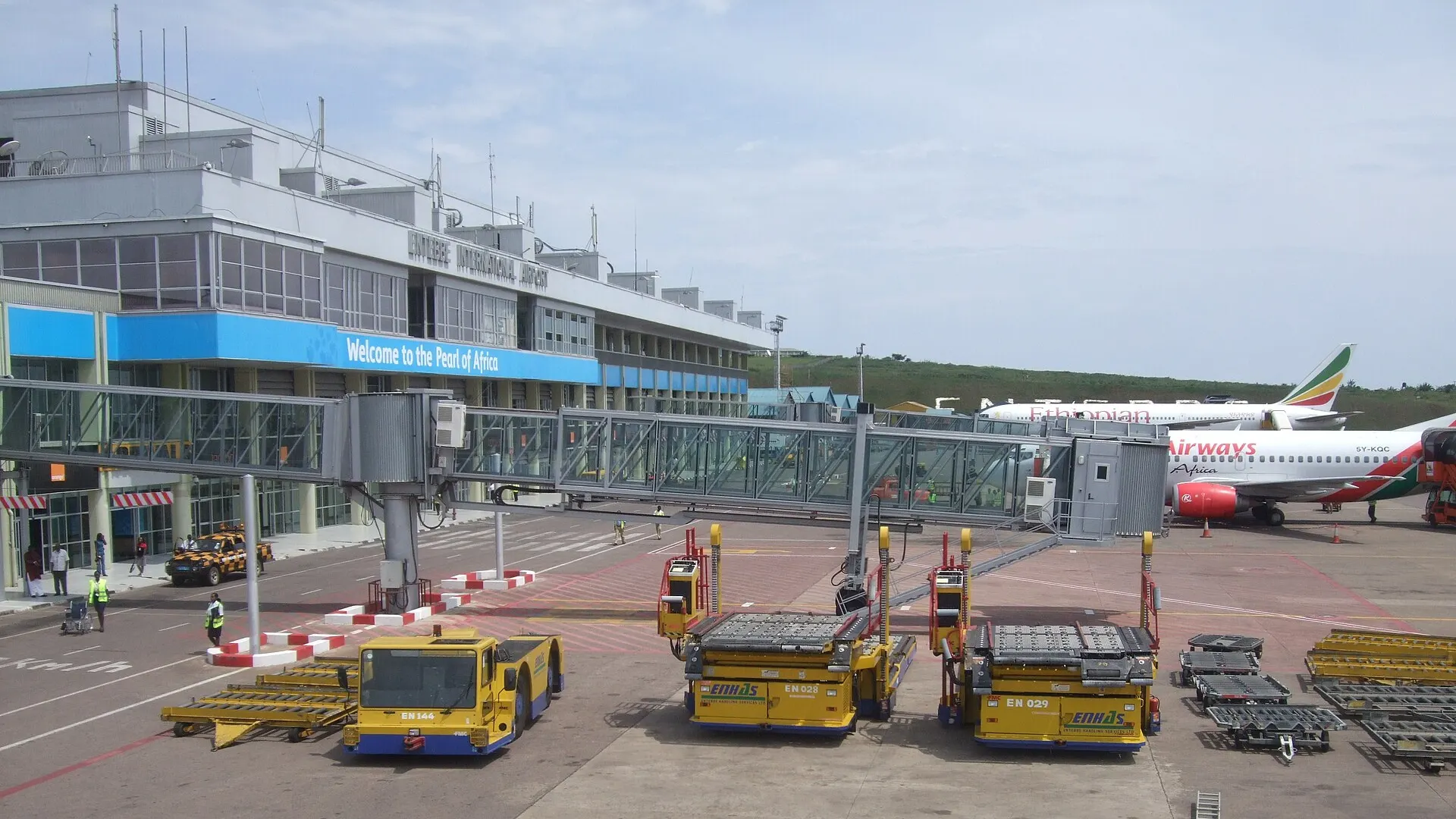
Returning Ugandans with recent travel history in Congo must enter quarantine at their own expense, the Health Ministry said, and anyone arriving by air, land or water must now fill in a passenger locator form. Screening has been stepped up at Entebbe International Airport and at every land crossing.
The order comes from a government that has maintained since July that it is free of the virus. It follows the discovery that two Ebola patients, one in Kenya and one in Nigeria, passed through Entebbe on the same day, and it runs against World Health Organization advice that governments avoid restricting travel or trade with affected countries.
"All travellers intending to enter Uganda by air, land or water must complete the passenger locator form," Baryomunsi told a news conference in Kampala, according to Reuters.
The ministry also said travellers with a history of travel to Congo may not transit through Uganda, even on chartered flights, and that Congolese visitors judged non-essential will be sent back through the nearest border post at their own cost, The Associated Press reported. The locator form and health screening apply to diplomats and United Nations staff as well, and anyone entering illegally faces prosecution, the agency said.
Uganda shut its border with Congo in May, letting through only Ebola response teams, aid and security personnel and cargo, and told returnees to isolate for 21 days under district surveillance, The Observer newspaper in Kampala reported.
Uganda declared its own Bundibugyo outbreak over on July 28 after recording 20 infections and two deaths, Al Jazeera reported. "Uganda remains Ebola-free, with no confirmed cases recorded since the country declared the Bundibugyo virus disease outbreak over on July 28, 2026," the minister said, according to the Daily Monitor. "Vigilance remains critical as transmission continues in the neighbouring Democratic Republic of Congo."
Across the border, the epidemic has become the largest Congo has recorded. The WHO had counted 9,704 cases and 4,687 deaths by October 20, and the virus has reached eight of the country's provinces. There is no licensed vaccine or dedicated therapy for the Bundibugyo strain, and the WHO puts the incubation period at up to 21 days, the same span as Uganda's quarantine.
The order follows questions about Uganda's role in carrying the virus beyond Congo. Kenya's first patient, a 40-year-old Kenyan man who had been living in Congo, travelled through Uganda and flew from Entebbe to Nairobi on October 3, the AP reported. He died two days later. Kenya has since confirmed a second death, a 65-year-old woman and close relative of that patient who died in quarantine, the Daily Monitor reported, and Kenyan authorities have traced 135 contacts and confirmed nine cases in all.
Nigeria's only confirmed case is a Ugandan-born woman married to a Swiss diplomat who visited Uganda in September and was confirmed infected on October 20 after travelling to Abuja. Swiss authorities have said she caught the virus in Uganda, a claim Baryomunsi rejected on Sunday.
He said Switzerland was "speaking prematurely" and that relatives of the woman from Uganda's West Nile region, who had themselves been to Congo, visited her in Kansanga, a suburb of Kampala. "What evidence do they have that she never travelled there?" he said. "We should speak science, not politics."
The minister said the woman held two passports, one of them Ugandan, and that Nigerian authorities had not yet handed over all the information Uganda had asked for, according to the AP.
The WHO said on Thursday that the information it had received did not indicate the woman herself had travelled to Congo. Genetic testing in Nigeria found her virus closely related to the strain in Kenya's first case, though Nigerian authorities said there was no evidence the Kenyan patient had been to Nigeria or had any direct link to her.
Diana Atwine, the Health Ministry's permanent secretary, said a review of CCTV footage from the day both patients passed through Entebbe showed no physical contact between them.
Baryomunsi said all 60 people in Uganda identified as contacts of the Kenyan patient had completed 21 days of monitoring without developing symptoms and had been released. The contacts were traced through entry and exit points, hotels and public transport, the Daily Monitor reported.
Uganda has also been working inside Congo, where it has set up three treatment units in the east with a combined 240 beds, the newspaper said. Kasese, the Ugandan district that borders the affected region, has recorded no cases or deaths, the minister said.
The WHO, in an update on October 23, urged countries to strengthen surveillance and cross-border cooperation but repeated its advice against travel and trade restrictions. The United States has already raised its travel advisory for Kenya, according to the Daily Monitor.
The dispute with Switzerland matters because it bears on whether the virus has circulated undetected in Kampala, a far more serious finding than a transit case. Ugandan officials said they are reviewing genomic sequencing, travel information and the woman's movements with Nigerian authorities and international partners, and the ministry said it will publish its findings once that review is complete.
Sources
- Uganda imposes 21-day quarantine on citizens returning from Congo (Reuters via Yahoo News) (yahoo.com)
- Uganda orders 21-day Ebola quarantine for citizens returning from DR Congo (Al Jazeera) (aljazeera.com)
- Uganda tightens Ebola border controls and requires returnees from Congo to pay for quarantine (AP via ABC News) (abcnews.com)
- Uganda imposes mandatory 21-day DRC quarantine as regional Ebola threat expands (Daily Monitor) (monitor.co.ug)
- Uganda closes border with DRC over Ebola (The Observer, Uganda) (observer.ug)
This report was compiled from the publicly available reporting listed above. Direct quotations are reproduced as published by those outlets. Corrections: see our corrections policy.