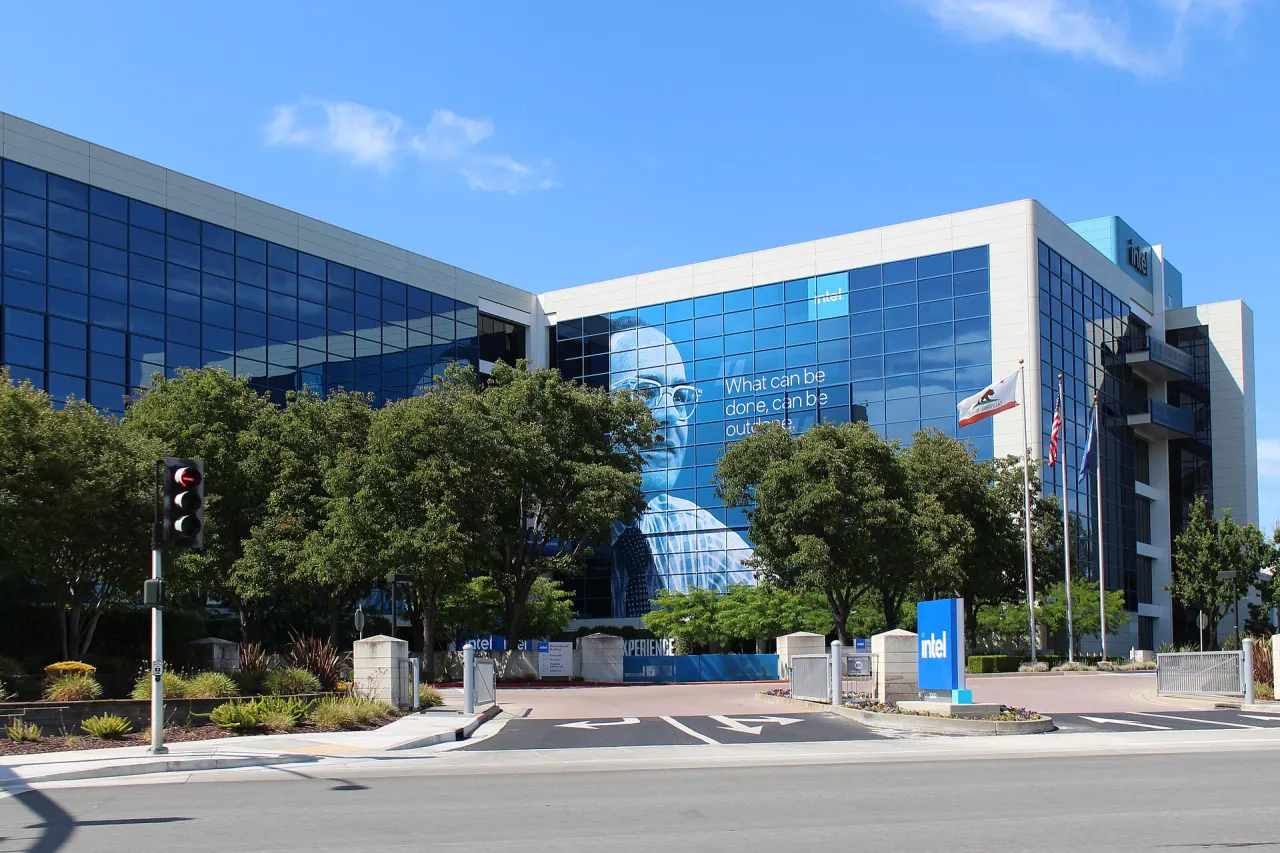
ABU DHABI — The Central Bank of the UAE fined the local branch of a foreign bank Dh200 million on Friday over what it called "significant, repeated failures" in anti-money laundering and sanctions controls, and imposed separate penalties on two of the branch's senior officers.
The branch's chief executive was fined Dh500,000. Its head of compliance and money laundering reporting officer was fined Dh300,000. Both penalties were for failing to fulfil the responsibilities of their positions, the regulator said.
Dh200 million, about $54.5 million, is as much as the law allows the central bank to charge as a flat fine. Article 137 of the law governing the central bank and the organisation of financial institutions and activities lets the regulator choose anything from a caution to a fine of no more than Dh200 million on a licensed institution, and permits it to withdraw a licence and strike the name from the register. Gulf News reported that the penalty was the largest imposed on a bank in the Emirates this year.
The same article sets penalties on an authorised individual at no less than Dh100,000 and no more than Dh2 million, so the sums charged to the two officers fall well short of that ceiling.
The central bank did not identify the branch or its parent, in keeping with its practice in enforcement notices. It said examinations found shortcomings across the branch's anti-money laundering and counter-terrorism financing measures, its governance and compliance management, and its sanctions framework.
The branch must now run a mandatory remediation programme that an independent party has to validate, the regulator said. It is also putting the chief executive and the chief compliance officer through a fit and proper reassessment. The central bank said it works to ensure that banks, their authorised decision makers and their employees follow UAE law, which it described as a way of protecting the integrity of the banking sector and the wider financial system.
Enforcement has been steady through the year. Gulf News reported that on June 24 the central bank fined another UAE branch of a foreign bank Dh20 million over repeated failures in its anti-money laundering, terrorist financing and sanctions controls, and fined that branch's head of compliance and money laundering reporting officer Dh300,000. The same outlet reported that in July the regulator fined a foreign bank branch Dh1.82 million for failing to issue a customer liability letter within the seven days its consumer protection rules allow, a market conduct breach rather than a financial-crime case. The closest comparison to Friday's figure is the Dh200 million imposed on an exchange house in May 2025.
The size of the penalty arrives at a sensitive point for the country's standing as a financial centre. The Financial Action Task Force, the inter-governmental body that sets global standards on money laundering, added the UAE to its list of jurisdictions under increased monitoring, commonly called the grey list, in March 2022. It removed the country on February 23, 2024, after what the task force described as progress on the deficiencies it had identified.
The central bank published an updated anti-money laundering package on April 16 containing four guidance documents and two manuals of best practice, which it said followed the task force's standards and the national anti-money laundering strategy for 2024 to 2027, according to Gulf News. Federal Decree-Law No. 10 of 2025, which took effect on October 14, 2025, made proliferation financing a standalone offence.
One foreign lender's UAE operations are already under public examination. In August the central bank ordered an urgent examination of the UAE branches of Banque Misr, the Egyptian state-owned bank, after the United States proposed a special measure against it over money laundering concerns, Khaleej Times reported. The regulator said at the time that it was assessing the implications of the American notice, including options regarding Banque Misr's status in the Emirates, and that the bank's UAE branches remained subject to local law. Neither the central bank nor the outlets that reported Friday's penalty linked the two cases.
Branches of foreign banks occupy an awkward place in the supervisory system. They hold a UAE licence and are examined by the UAE regulator, while the parent that owns them answers to a supervisor in another country. The individual penalties announced on Friday fall on two local roles, the chief executive and the money laundering reporting officer, the posts the rules make responsible for spotting suspicious money.
The reassessment the central bank has ordered will decide whether the chief executive and the chief compliance officer may keep their posts, and the branch's corrective work has to clear an independent validator. The national anti-money laundering strategy under which the supervisory regime was rebuilt runs to the end of 2027.
Sources
- UAE fines foreign bank branch Dh200 million for breaching money laundering laws (The National) (thenationalnews.com)
- Foreign bank branch in UAE fined Dh200 million (Gulf News) (gulfnews.com)
- Dh200 million fine: UAE penalises foreign bank branch for violating money laundering laws (Khaleej Times) (khaleejtimes.com)
- CBUAE imposes a financial penalty of 200,000,000 on a branch of a foreign bank licensed in the UAE (Central Bank of the UAE statement, via Zawya) (zawya.com)
- Central Bank and Organisation of Financial Institutions and Activities Law, Article 137 (CBUAE Rulebook) (rulebook.centralbank.ae)
- UAE exits FATF's grey list amid reforms (Gulf Business) (gulfbusiness.com)
This report was compiled from the publicly available reporting listed above. Direct quotations are reproduced as published by those outlets. Corrections: see our corrections policy.