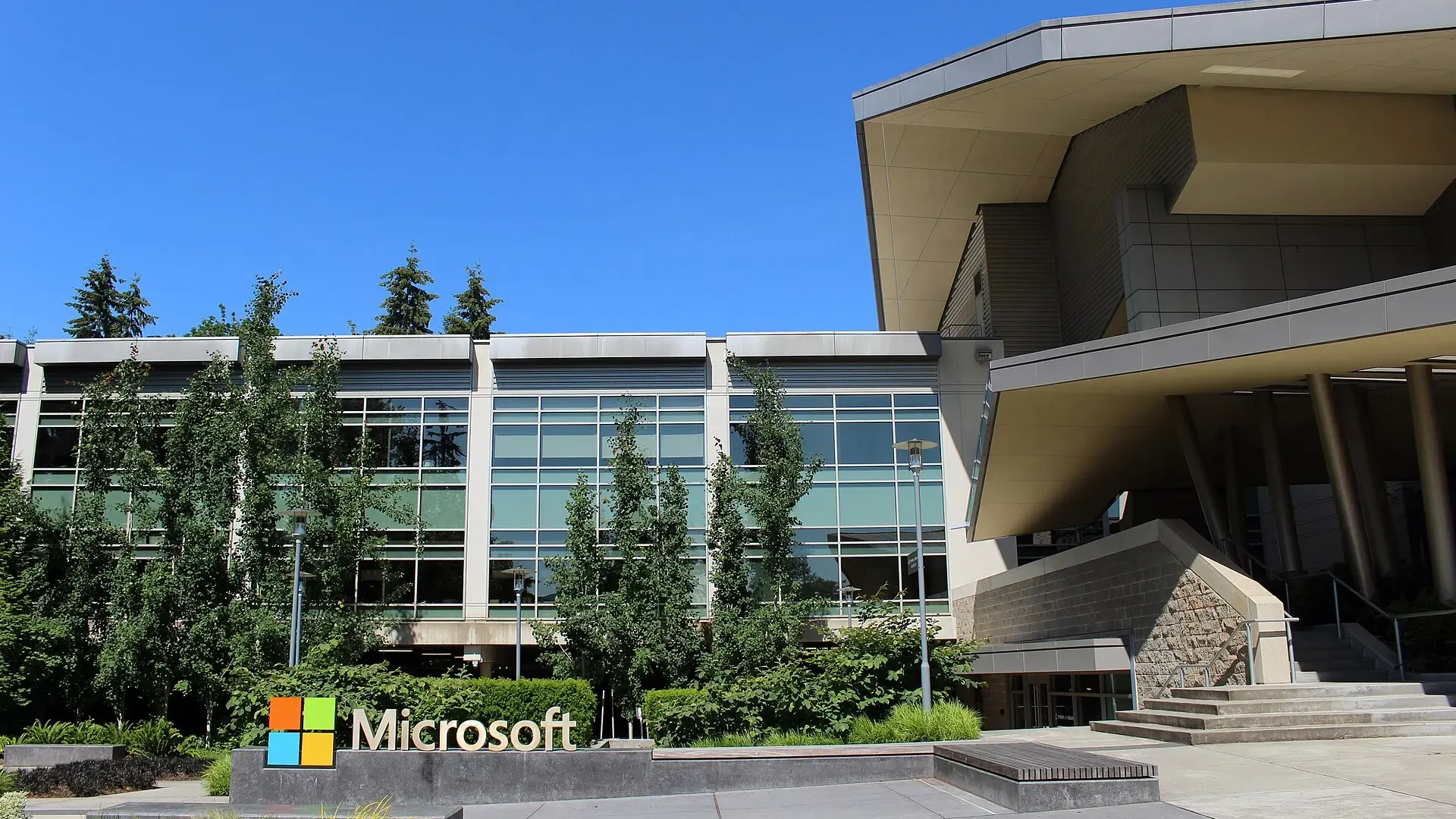
LONDON — Microsoft has pulled out of a deal to anchor Nscale's first British data centre in Loughton, Essex, The Telegraph reported on Sunday, leaving the Nvidia-backed cloud provider without its marquee tenant at the site weeks before a planned New York listing.
Microsoft, one of Nscale's two largest customers, recently terminated its agreement for the Loughton facility, according to the report. The newspaper did not say why. Microsoft did not respond to requests for comment from Reuters or The Telegraph.
The withdrawal is a setback for Britain's ambition to host the computing capacity behind the AI boom, and it lands at an awkward moment for Nscale. The company filed last month for an initial public offering in the United States, and its prospectus names Microsoft and Anthropic as the customers expected to drive its growth. Together the two account for about 85 per cent of its contracts, according to the filing.
The Loughton project had faced repeated delays, The Telegraph reported, and officials at the national power grid had told Nscale they did not expect to supply electricity to the site until the 2030s.
Nscale said the relationship with its biggest software customer was intact. "Our relationship with Microsoft remains strong and long-term," a company spokesperson said, adding that the "unfortunate London-wide grid issue" had no impact on its other contracts.
"We remain committed to both the Loughton project and the UK," the spokesperson said. The company said it was "exploring alternative power sources for the site" and looking at other expansion locations in Britain.
The Essex site was meant to be a showcase. Nscale had planned to install 23,040 Nvidia GB300 processors there for Microsoft's Azure cloud by the first quarter of 2027, with an initial 50 megawatts of capacity that could expand to 90 megawatts, according to SiliconANGLE.
Nscale announced Loughton in September 2025 alongside three other projects for Microsoft, in Texas, Portugal and Norway, as part of a contract reported to be worth about $24 billion. Those sites are believed to remain on track, SiliconANGLE reported, and Microsoft has also signed a letter of intent for a Nscale campus in West Virginia, according to The Next Web.
Power, not demand, has been the constraint in London. The Next Web reported in July that the grid operator could not connect the Loughton site in time for its planned opening.
Nscale is one of a group of so-called neocloud companies, including CoreWeave, Nebius, Crusoe and Lambda, that rent out large blocks of Nvidia chips to AI developers. The firm provides compute, power, data centres and software for training and running AI models, Reuters reported, and says its total contracted value has grown from $100 million to more than $103 billion in about two and a half years.
Most of that backlog comes from a single deal. Anthropic agreed in August to spend about $45 billion on Nscale compute over six years, according to The Next Web. Microsoft is the other pillar.
The company is seeking to raise as much as $3 billion in its offering, which could come as soon as this month, The Next Web reported, citing Bloomberg. It has applied to list on the New York Stock Exchange under the ticker NSCL.
Investors have grown wary of the sector's debt-heavy build-out. CoreWeave shares fell 25 per cent last week, their worst week since November, according to The Next Web, and Australian operator Firmus scrapped its own IPO after failing to win enough investor support.
Nscale's flagship site in Norway is also running about six months behind schedule, with 6.4 megawatts of a planned 30-megawatt data centre in operation, Bloomberg reported.
The Loughton reversal points to a problem that extends beyond one company. Nscale's own spokesperson described the cause as a London-wide grid issue, and the company said it is now looking at other sites in Britain where power can be secured sooner.
Microsoft has not said whether the capacity it planned to rent in Essex will be replaced elsewhere.
Nscale's offering, which it has said could come as soon as this month, will be the first test of how investors weigh a $103 billion backlog against a flagship project that now has no anchor tenant and no date for grid power.
Sources
- Microsoft pulls out of UK data center deal with Nscale, Telegraph reports (wtvbam.com)
- Microsoft pulls out of UK data center deal with Nscale, Telegraph reports (Reuters via MarketScreener) (marketscreener.com)
- Microsoft reportedly quits Nscale's UK data centre weeks before its IPO (thenextweb.com)
- Neocloud operator Nscale's IPO plans could be at risk after Microsoft cancels UK data center project (siliconangle.com)
This report was compiled from the publicly available reporting listed above. Direct quotations are reproduced as published by those outlets. Corrections: see our corrections policy.